


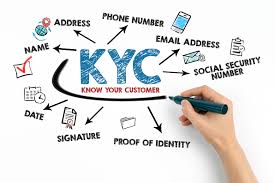
KYC, which stands for Know Your Customer, is a vital process for online lenders. It plays a key role in confirming the identity and reliability of borrowers before approving any loan.
But KYC isn’t just about following legal rules — it’s also about protecting both the lender and the borrower by preventing fraud and risky transactions. In this guide, we’ll break down what KYC means for digital lending, why it matters, and what lenders should keep in mind to build a safe and effective process.
Why KYC Is a Must for Online Lending Platforms
At its core, KYC is how lenders make sure they know exactly who they’re lending to. Giving out loans is already a sensitive matter, but when done over the internet without face-to-face interaction, the risk increases. That’s where KYC steps in.
It’s not just a recommended step — it’s a legal obligation for all financial institutions that offer loans. If a lending platform skips or mishandles KYC, it can face serious legal consequences, including hefty fines or criminal charges. So, verifying a customer’s identity isn’t optional — it’s a critical part of doing business legally and responsibly.
Why Creditworthiness Should Be Assessed Before KYC
Companies like SEON use advanced tools that analyze a borrower’s digital footprint — such as device data and online behavior — to evaluate risk even before the KYC process begins.
This early detection approach helps cut down on unnecessary costs and keeps the process smooth for trustworthy users. It allows lenders to focus their attention only on applicants who pass these initial risk filters.
Legal KYC Requirements for Online Lenders
While every online lender is required to carry out KYC, the specific rules depend on the country they operate in.
For instance:
- In the United States, online lenders must comply with federal laws, particularly the Bank Secrecy Act (BSA). This includes tracking and recording certain activities — like filing Suspicious Activity Reports (SARs) when something looks off.
- In the European Union, lenders must follow the 6th Anti-Money Laundering Directive (6AMLD) along with GDPR (General Data Protection Regulation). These laws ensure that lenders not only verify users but also protect their personal data and keep proper records of their KYC efforts.
Generally, KYC processes involve collecting and verifying documents such as:
- Government-issued IDs
- Utility bills (to confirm the borrower’s address)
- Selfie or facial recognition for identity verification
KYC Checklist: Top 3 Risk Indicators for Online Lending
SEON simplifies the KYC process by identifying red flags early on — sometimes even before KYC officially starts. Here are three major risk indicators that help lenders stay ahead of fraud:
1. Disabled Cookies or Odd Browser Behavior
While some users disable cookies for privacy, fraudsters often do this intentionally to hide their digital tracks. In online lending, disabling cookies or using outdated browsers may be a strategy to avoid being flagged by security systems.
SEON monitors this type of activity and raises alerts when it notices these behaviors, assigning a higher fraud risk score to such users. This allows lenders to filter out suspicious users before wasting time or resources.
2. Use of Disposable Email Addresses
Disposable or temporary emails are often used by people who don’t want to be traced — a common sign of fraudulent intent. SEON’s system can instantly detect these types of email addresses and assign a high-risk score to the accounts.
This allows lenders to block risky users from even entering the KYC process, saving money and improving security from the very start.
3. PEP (Politically Exposed Person) Matches
A PEP, or Politically Exposed Person, is someone who holds or has held a public position and may be more vulnerable to corruption or financial crime. SEON can identify users who appear on global PEP lists, giving lenders a chance to take a closer look before proceeding.
Being a PEP doesn’t automatically mean a person is suspicious — but it does mean they deserve extra scrutiny during onboarding to make sure everything is above board.
How SEON Supports Lenders with KYC and Beyond
SEON offers more than just fraud detection — it gives online lenders a complete toolkit for improving how they verify users, stay compliant, and cut risks. With SEON, lenders can identify risky applicants early, often before the formal KYC stage even begins. This helps lower costs, speed up the process, and keep only serious borrowers in the pipeline.
In addition to boosting compliance, SEON’s system also supports alternative credit scoring methods — meaning lenders can assess creditworthiness even if a borrower has little to no credit history. This creates a better user experience and allows lenders to serve a broader customer base without compromising on security.
Final Thoughts
KYC is more than a box to check — it’s a critical step that ensures online lending remains safe, legal, and efficient. By using smart tools like SEON, lenders can detect fraud before it happens, improve the onboarding process, and build trust with their customers. In the ever-growing world of digital finance, having a strong KYC process is not just helpful — it’s absolutely essential.
Join Gen Z New WhatsApp Channel To Stay Updated On time https://whatsapp.com/channel/0029VaWT5gSGufImU8R0DO30
