


Introduction
In the world of decentralized finance (DeFi), lending and borrowing no longer rely on traditional banks. Instead, they use blockchain-based systems that are open to anyone with an internet connection.
One of the most important innovations in DeFi is the use of tokenized assets as collateral. These assets are changing how loans are accessed and secured in the decentralized world.
What Are Tokenized Assets?
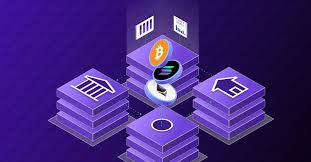
Tokenized assets are digital representations of real-world or digital items on the blockchain. These can include:
- Cryptocurrencies (like ETH or BTC)
- Real estate
- Stocks
- Artworks
- Commodities (like gold)
Each token stands for a portion or full ownership of the actual asset. These tokens are stored on blockchain networks, making them easy to transfer, track, and use.
How Decentralized Lending Works
Decentralized lending platforms, such as Aave, Compound, or MakerDAO, allow users to lend or borrow money without going through a bank. Borrowers must provide collateral—something valuable that backs the loan. If the borrower fails to repay, the collateral is taken to cover the debt.
Using Tokenized Assets as Collateral
In traditional systems, using assets like real estate or gold as collateral requires legal paperwork, time, and third-party verification. In DeFi, tokenized versions of these assets can be used instantly.
For example:
- A user can tokenize their real estate into a digital token.
- They deposit that token into a DeFi platform.
- The platform allows them to borrow a stablecoin (like USDC) based on the value of their tokenized real estate.
This process is fast, transparent, and often more efficient than traditional systems.
Advantages of Tokenized Collateral
1. Accessibility
Anyone around the world can access lending services if they own tokenized assets. There’s no need for a credit check, bank account, or high-income status.
2. Speed and Automation
Smart contracts automate the lending process. This means no paperwork, no waiting for approval, and reduced costs.
3. Liquidity for Traditionally Illiquid Assets
Real estate and artwork are typically hard to sell quickly. But once tokenized, they can be used instantly as collateral without being sold.
4. Transparency
All transactions are recorded on the blockchain. Users can verify the value and ownership of collateral in real-time.
Risks and Challenges
Despite the benefits, there are still challenges to consider:
1. Volatility
The value of tokenized assets, especially cryptocurrencies, can change rapidly. If the value drops too low, the collateral may be liquidated automatically.
2. Regulatory Uncertainty
Tokenizing real-world assets like houses or stocks raises legal questions. Governments and regulators are still catching up with DeFi.
3. Smart Contract Risks
Smart contracts can have bugs. If exploited, they may lead to loss of collateral or funds.
4. Valuation and Trust
How do you verify that a token truly represents a real asset? The token must be backed by a trusted party or platform, or else the collateral becomes worthless.
Real-World Examples
– Centrifuge
A platform that allows businesses to use real-world assets like invoices or property as collateral to borrow funds in DeFi.
– RealT
Tokenizes real estate in the U.S., allowing investors to earn rent and use their token shares as collateral in certain DeFi protocols.
– MakerDAO & RWA Collateral
MakerDAO is exploring real-world assets (RWA) like real estate-backed tokens as a way to bring stable growth to its lending system.
The Future of Tokenized Collateral
As blockchain technology continues to grow, we can expect more types of assets to be tokenized. This will open up new borrowing opportunities for people and businesses worldwide. It could also bridge the gap between traditional finance and DeFi.
To succeed long-term, the DeFi industry must:
- Improve risk management tools
- Collaborate with regulators
- Build reliable valuation systems for tokenized real-world assets
Conclusion
Tokenized assets are revolutionizing collateral in the world of decentralized lending. They make borrowing easier, faster, and more inclusive.
While risks remain, the future is promising as innovation continues and more traditional assets find their way onto the blockchain. For users, it’s an exciting time to explore how tokenized collateral can unlock new financial opportunities.
Join Gen Z New WhatsApp Channel To Stay Updated On time
https://whatsapp.com/channel/0029VaWT5gSGufImU8R0DO30
