


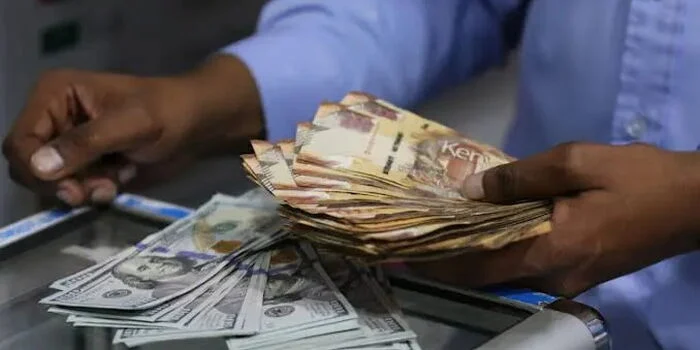
The Kenyan government has stepped up efforts to increase foreign exchange earnings by expanding the production of orthodox tea, a move aimed at supporting the shilling and improving the country’s export performance.
This strategy is part of a wider plan to diversify exports and reduce pressure on the local currency.
Kenya is already one of the world’s leading exporters of black tea, but it is now placing more focus on premium orthodox tea varieties.
According to Bloomberg, the shift is designed to help the country earn more dollars from tea exports, which in turn can help stabilize the shilling by boosting foreign currency inflows.
This new direction comes as Kenya looks to reduce its heavy reliance on crush tear curl (CTC) tea. CTC tea is a mass-market product that has traditionally dominated Kenya’s tea exports.
However, the East African Tea Trade Association (EATTA) has warned that global demand for CTC tea is weakening, while prices have become increasingly unpredictable. These challenges have pushed policymakers and industry players to explore higher-value alternatives.
Orthodox tea, which is processed using traditional methods that preserve more aroma, flavour, and leaf quality, was officially introduced at Kenya’s weekly tea auction in September.
The goal is to diversify the country’s tea offerings and tap into premium international markets where buyers are willing to pay higher prices for quality products.
Demand for orthodox tea is growing steadily. EATTA Managing Director George Omuga noted that global demand for this type of tea is increasing at an annual rate of about 6 per cent. This trend presents Kenya with an opportunity to earn more foreign currency per kilogram exported, even if production volumes remain relatively modest compared to CTC tea.
Data from the tea auction shows promising results. In the four months up to December, about 1.3 million kilograms of orthodox tea were offered for sale. Roughly half of this volume was sold at an average price of Ksh414 (USD 3.20) per kilogram.
This price is nearly 50 per cent higher than the average price fetched by regular black tea, highlighting the strong earning potential of the premium product.
Although orthodox tea volumes are still small when compared to the nearly 300 million kilograms of black tea sold in the first ten months of 2025, the higher prices make a big difference.
By earning more per unit, Kenya can increase export revenues without oversupplying the market, which helps maintain stable prices.
These improved earnings translate directly into higher dollar inflows, which are critical for supporting the shilling.
This is especially important at a time when Kenya is facing significant economic pressures, including heavy external debt repayments, a large import bill, and strong demand for foreign currency across various sectors of the economy.
In its Medium-Term Debt Management Strategy for 2026/27 to 2028/29, the National Treasury acknowledged that fiscal space is expected to remain tight.
The strategy pointed to risks such as underperforming revenue collection and rising borrowing needs, which could increase pressure on public finances.
The Treasury also warned that any depreciation of the shilling against major global currencies could raise the cost of servicing external debt, worsen fiscal stress, and fuel inflation through higher import prices. As a result, maintaining currency stability remains a top priority for economic planners.
Despite these challenges, the shilling has shown resilience. For most of last year, it remained stable against major international and regional currencies.
Central Bank of Kenya (CBK) data shows that the shilling was trading at Ksh129.02 to the US dollar on January 27.
This recent stability has largely been supported by strong foreign exchange reserves. As of January 22, Kenya’s reserves stood at Ksh1.58 trillion (USD 12.22 billion), providing import cover for about 5.3 months.
These buffers, combined with higher export earnings from products like orthodox tea, are expected to play a key role in supporting the shilling going forward.
Join Tutam Official WhatsApp Channel to stay updated on time
https://whatsapp.com/channel/0029VaWT5gSGufImU8R0DO30
