


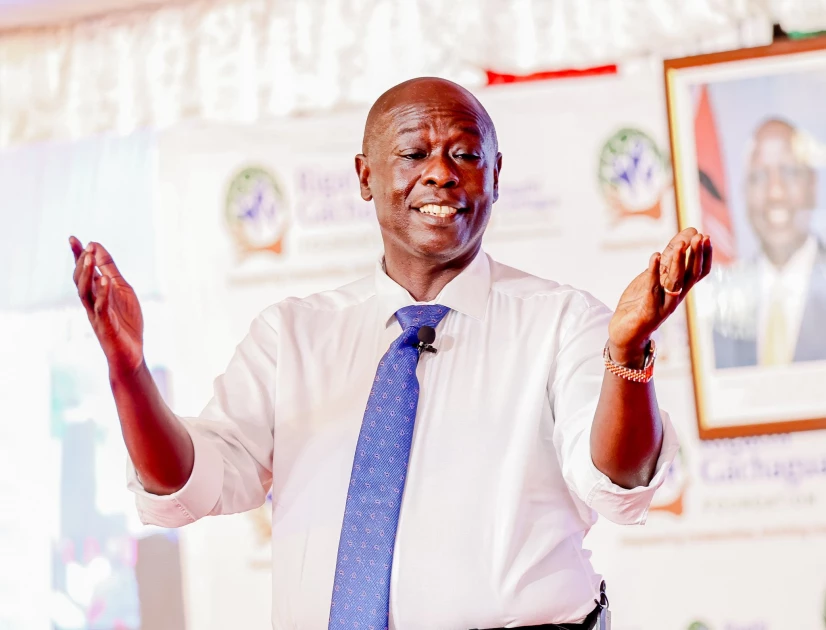
Nairobi, Kenya — January 30, 2026 — In a significant legal development today, the Supreme Court of Kenya delivered a crucial ruling in the ongoing dispute over former Deputy President Rigathi Gachagua’s impeachment.
The apex court dismissed key applications by Gachagua and the National Assembly, allowing the High Court proceedings related to his impeachment to resume.
The five-judge bench, led by Chief Justice Martha Koome, ruled that the Supreme Court cannot halt ongoing High Court cases — it only has jurisdiction to stay matters that are before the Court of Appeal.
What the Supreme Court Ruled
- Gachagua had filed an application asking the Supreme Court to stop High Court proceedings that are challenging his impeachment. The court dismissed this request, saying it does not have the authority to intervene in cases still before the High Court.
- Gachagua also sought to strike out the National Assembly’s appeal and expunge certain documents from the Supreme Court record. The judges rejected these motions, noting the documents are central to the legal questions at hand.
- The National Assembly’s attempt to have Gachagua’s cross-appeal dismissed was likewise rejected, with the court emphasizing that consolidated appeals should be heard on their merits.
- No orders as to legal costs were issued, with the court citing the public interest nature of the case.
Background of the Legal Battle
Gachagua was impeached by the National Assembly in October 2024 and subsequently removed from the office of Deputy President after the Senate confirmed the motion.
Since then, he has challenged the process in court, arguing that the impeachment and its legal handling were unconstitutional and improper.
The legal fight has raised complex questions about how High Court benches are constituted and whether judicial procedures were correctly followed.
A central point of contention has been whether Deputy Chief Justice Philomena Mwilu acted within constitutional authority in empaneling the three-judge High Court bench that has been hearing petitions related to the case.
Earlier ruling by the Court of Appeal indicated that only the Chief Justice may empanel benches unless exceptional circumstances exist.
What Happens Next
With the Supreme Court’s ruling, the impeachment challenge now returns to the High Court, where the substantive petitions will continue to be heard.
Legal analysts say that although Gachagua lost this procedural battle, the High Court process itself still offers an avenue to challenge the legality of his impeachment.
The outcome could have significant consequences for Kenya’s constitutional law and political landscape, especially with general elections approaching in 2027.
Join Tutam Official WhatsApp Channel to stay updated on time
https://whatsapp.com/channel/0029VaWT5gSGufImU8R0DO30
