


Governors Threaten to Boycott Senate Summons Over Claims of Intimidation
Governors across the country have resolved to boycott summons issued by the Senate County Public Accounts Committee (CPAC), accusing some Senate committees of creating an environment that undermines their dignity during oversight sessions.
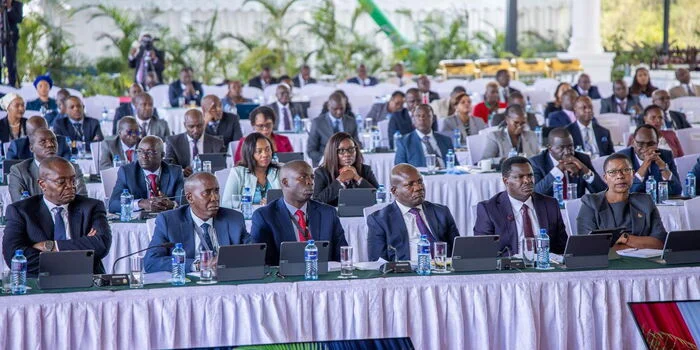
The decision was reached during the ongoing Governors’ Retreat, where members of the Council of Governors (CoG) expressed strong concerns about how accountability hearings have recently been conducted.
In a statement released after their deliberations, the Council of Governors said that several governors had complained of being subjected to intimidation, unfair treatment, and public embarrassment while appearing before Senate committees.
According to the council, while oversight is an important constitutional responsibility, the manner in which some sessions are handled has allegedly crossed the line from accountability to humiliation.
The governors argued that oversight processes should promote transparency without compromising mutual respect between national and county leadership.
The CoG stated that governors remain committed to accountability and transparency in the management of public resources. However, they insisted that the process must be conducted in a professional and structured manner that respects the offices held by elected county leaders.
The council noted that repeated summons and what they described as hostile questioning have made it difficult for governors to effectively respond to audit issues.
As part of their resolution, governors agreed that going forward, they would only appear once before the Senate Public Investments Committee during each audit cycle.
According to the county chiefs, this arrangement would allow for more organized engagement, reduce duplication of hearings, and ensure that accountability processes remain fair, manageable, and productive for all parties involved.
The County Public Accounts Committee is mandated to examine audit reports prepared by the Auditor General and to ensure that county governments properly account for public funds.
Governors and other county officials are often summoned to explain expenditure patterns, respond to audit queries, and clarify financial discrepancies identified in audit reports. These sessions are meant to strengthen oversight and ensure public resources are used responsibly.
Tensions between governors and the Senate have, however, intensified following several high-profile audit hearings in recent weeks.
One of the most widely discussed sessions involved the Bungoma County Government, which faced sharp questioning after audit reports indicated that Ksh3.6 million had been spent on a Christmas tree lighting ceremony in September 2019.
During the hearing, CPAC Chairperson Moses Kajwang’, alongside other senators including Nairobi Senator Edwin Sifuna, questioned the timing and justification of the expenditure, noting that the event took place months before the festive season.
Bungoma Governor Kenneth Lusaka struggled to respond to some of the questions during the session, maintaining that the expenditure occurred before he assumed office and therefore should not be directly attributed to his administration.
The exchange attracted public attention and further fueled debate over how Senate oversight sessions are conducted.
In another incident, Tharaka Nithi Governor Muthomi Njuki reportedly walked out of an audit hearing after disagreements with committee members, prompting the Senate committee to warn that enforcement action could be taken against him for failing to comply with oversight procedures.
The incident highlighted the growing friction between county leadership and Senate oversight committees.
Garissa Governor Nathif Jama also recently faced pressure from the Senate after being warned of possible penalties and travel restrictions if he failed to appear before the committee to respond to audit-related questions.
Such developments have contributed to rising tensions, with governors now calling for reforms in how oversight engagements are carried out.
The standoff signals an emerging dispute between the Council of Governors and the Senate over the balance between accountability and respect for devolved leadership.
As discussions continue, both sides are expected to seek a way forward that maintains strong oversight while ensuring that engagements remain constructive and focused on improving governance at the county level.
Join Tutam Official WhatsApp Channel to stay updated on time
https://whatsapp.com/channel/0029VaWT5gSGufImU8R0DO30
