


IPOA Put on the Spot Over Alleged Extrajudicial Killings and Rising Gang Threat
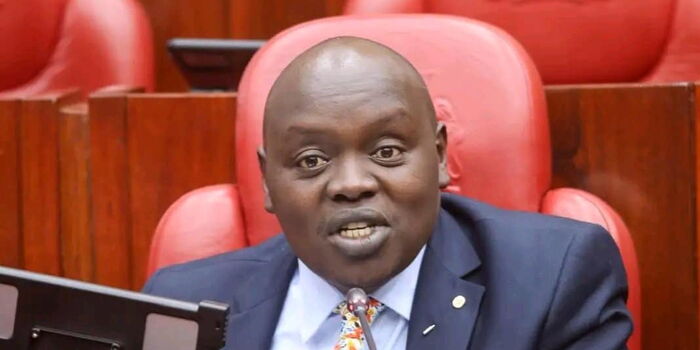
Nandi Senator Samson Cherargei has demanded answers from the Independent Policing Oversight Authority (IPOA) and the National Police Service over ongoing allegations of extrajudicial killings and the growing threat of organised criminal gangs across the country.
While addressing the Senate on February 19, Cherargei formally requested statements from the Senate Standing Committee on National Security, Defence and Foreign Relations.
He asked the committee to provide a detailed report on the status of investigations into cases involving alleged police misconduct, including unlawful killings and incidents of brutality.
The senator questioned how many cases are currently under investigation by IPOA, how long those investigations have been ongoing, and why some cases appear to take an unusually long time to conclude.
According to him, the public deserves transparency and accountability, especially in cases where lives have been lost under questionable circumstances.
“Many incidents of police brutality and unlawful killings have been reported over the years, yet justice remains out of reach for many families.
We need clear information on how many cases IPOA is handling, how long these investigations have taken, and what is causing the delays,” Cherargei told the House.
He pointed out that several incidents have deeply disturbed Kenyans and raised serious concerns about police conduct. These include deaths occurring in police custody, fatalities during law enforcement operations, and the shocking discovery of bodies in River Yala.
Between 2021 and early 2022, more than 30 unidentified bodies were recovered from River Yala in Siaya County. Many of the bodies reportedly showed signs of torture.
Some had their hands tied, others had polythene bags placed over their heads, and several were found stuffed in gunny sacks weighed down with stones.
The disturbing nature of the discoveries sparked widespread public outrage and led to suspicions of possible extrajudicial killings.
Human rights organisations, including Amnesty International Kenya, called for immediate and independent investigations to establish the identities of the victims and determine how they ended up in the river.
At the time, many Kenyans also criticised what they described as a slow and inadequate response from security agencies.
In addition to the River Yala case, Cherargei also referred to deaths that have occurred in police custody, which continue to attract national attention. One notable example is the case of Albert Ojwang, who died while being held at a police station.
Police initially claimed that Ojwang had taken his own life, but the circumstances surrounding his death led to public skepticism and calls for an independent inquiry.
The senator emphasised that families of victims deserve regular updates about the progress of investigations. He insisted that transparency is key to restoring public trust in law enforcement agencies.
He also asked what measures have been put in place to ensure that police officers who are under investigation do not interfere with evidence or influence witnesses.
Beyond concerns about police misconduct, Cherargei raised alarm over the rise of organised criminal gangs operating in several counties.
He cited findings from the government’s Jukwaa la Usalama report, which identified multiple regions facing increased gang-related activities.
According to the senator, the expansion of these gangs poses a serious threat to national security and community safety.
He questioned how such groups manage to obtain firearms and other weapons, and whether there are weaknesses in border control, intelligence systems, or internal security structures that allow illegal weapons to circulate.
“The rise of organised gangs is a major national security concern. We must understand how these groups are accessing firearms and what concrete steps are being taken to dismantle their networks,” he said.
Cherargei urged security agencies to strengthen intelligence gathering and coordination between different arms of government.
He also called for more effective prosecution processes to ensure that suspects are not only arrested but also successfully convicted in court. According to him, preventive strategies must go hand in hand with enforcement measures.
Furthermore, the senator stressed that security reforms should not focus only on policing and arrests.
He highlighted the importance of addressing deeper social and economic challenges, such as youth unemployment, poverty, and lack of opportunities, which often make young people vulnerable to recruitment by criminal gangs.
He concluded by saying that a balanced approach is needed—one that ensures accountability within the police service while also tackling the root causes of crime.
In his view, strengthening oversight institutions like IPOA, improving transparency in investigations, and investing in social development are all critical steps toward building a safer and more just society.
Join Tutam Official WhatsApp Channel to stay updated on time
https://whatsapp.com/channel/0029VaWT5gSGufImU8R0DO30
