


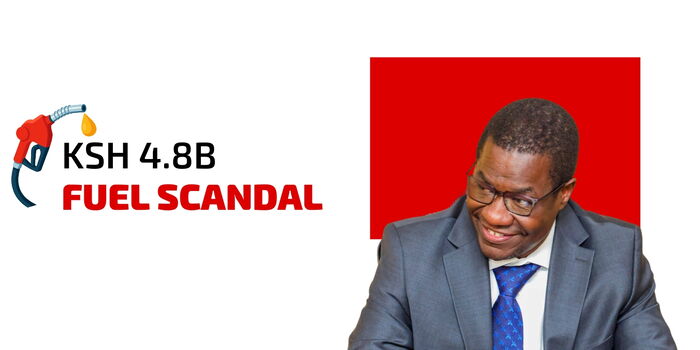
CS Wandayi Warns Fuel Could Have Gone Up by Ksh14, Orders Controversial Cargo Removed
Energy and Petroleum Cabinet Secretary Opiyo Wandayi has said fuel prices in Kenya could have increased by as much as Ksh14 per litre if a controversial shipment of super petrol imported outside the government-to-government (G-to-G) fuel supply system had been allowed into the local market.
In a statement issued on Tuesday, April 7, Wandayi explained that a 60,000-metric-tonne consignment of super petrol was recently brought into the country in a way that did not follow the approved fuel importation procedures.
According to him, the shipment bypassed the long-standing G-to-G arrangement that Kenya uses to protect both fuel supply and price stability.
The CS noted that the unauthorised cargo was significantly more expensive than fuel imported through the official G-to-G framework. He said the disputed consignment cost Ksh198,000 per metric tonne, compared to the Ksh140,000 per metric tonne usually paid under the government-backed arrangement.
This created a price difference of Ksh58,000 per metric tonne, a gap he said would have directly pushed pump prices sharply higher if the cost had been transferred to motorists.
In simple terms, consumers across the country would likely have paid about Ksh14 more for every litre of petrol, adding fresh pressure to already rising living costs.
Wandayi warned that any move to bypass the G-to-G import system puts the entire fuel supply chain at risk. He stressed that the arrangement has played a major role in protecting the country from sudden shortages and unreasonable price swings, especially during periods of global oil market uncertainty.
He added that allowing such shipments to enter the market would undermine the gains Kenya has made in controlling fuel prices and ensuring stable supply.
“The 60,000-metric-tonne consignment of super petrol was recently imported into the country in contravention of the procedures set out under the G-to-G contractual framework with international suppliers,” Wandayi said.
As part of immediate action, the CS directed the Energy and Petroleum Regulatory Authority (EPRA) to exclude the 60,000-metric-tonne shipment from this month’s fuel cost calculations. This means the controversial cargo should not be factored into the next fuel pricing review, a move aimed at shielding consumers from an unnecessary increase.
He also ordered an immediate freeze on all payments linked to the disputed fuel shipment until investigations are completed.
In a further directive, Wandayi named One Petroleum Ltd as the company behind the importation and instructed it to withdraw all invoices already issued and replace them with credit notes immediately. This was meant to stop any financial transactions tied to the cargo before the probe is concluded.
At the same time, oil marketing companies were warned not to pay for the shipment and not to lift any product from the flagged consignment, as the government moves to fully secure the local fuel pricing system from outside interference.
The CS emphasised that all players in the petroleum sector must strictly follow the G-to-G framework to avoid artificial market disruptions, supply manipulation, or unjustified price increases that would ultimately hurt ordinary Kenyans.
He further assured the public that the government remains alert and will continue monitoring the market closely to ensure no individual or company creates artificial shortages or uses the current situation to exploit consumers.
These developments come at a time when concerns over fuel prices are already growing. Fuel dealers have recently warned that petrol prices could still rise sharply in the next EPRA pricing cycle set for April 14, 2026, with some projections suggesting the price could hit Ksh231.68 per litre.
If that happens, it would mark a massive Ksh53.40 increase from the current Ksh178.28 pump price in Nairobi, making it the largest single-month fuel price jump Kenya has ever seen.
The latest controversy is therefore likely to increase public attention on how fuel imports are handled, especially at a time when global oil prices and supply chain pressures are already threatening to push local costs even higher.
Join Kenya Govt Official WhatsApp Channel to stay updated on time
https://whatsapp.com/channel/0029VaWT5gSGufImU8R0DO30
