


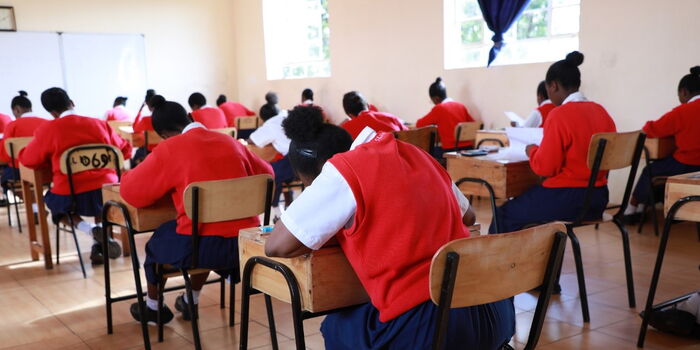
Relief for Parents as New School Rules Target Uniform Costs and Extra Charges
Parents and students across the country may soon experience much-needed relief if new proposals on school uniforms and additional charges are approved.
Lawmakers are now pushing for changes that could ease the financial burden many families have been facing, especially due to strict school policies on uniforms and extra fees.
The proposed regulations, introduced by Duncan Mathenge, aim to eliminate practices in schools that MPs say are unfair and discriminatory.
These include forcing parents to buy uniforms from specific shops and charging extra fees that are not officially required. According to the lawmakers, such practices have been putting unnecessary pressure on families and affecting students’ access to education.
The motion is grounded in the Kenyan Constitution, particularly Articles 53 and 43, which guarantee every child the right to free and compulsory basic education.
These provisions also stress the importance of equal access to education and prioritising the welfare and best interests of every child. MPs argue that current school practices in some institutions go against these constitutional rights.
One of the key proposals in the draft rules is to require schools to allow parents to buy uniforms from any supplier they prefer, as long as the uniforms meet the set standards of the school.
This is expected to address long-standing complaints from parents who have been forced to purchase uniforms from selected vendors at inflated prices. Many families have struggled to keep up with these costs, especially in tough economic times.
Speaking on the issue, Mathenge pointed out that some school policies, particularly those that restrict where uniforms can be bought, are making it harder for students to attend school.
He warned that such administrative decisions are interfering with learning and creating unnecessary barriers for children.
At the same time, Jayne Kihara strongly criticised the current state of the education sector, saying it is failing many families.
She argued that the lack of action from the Ministry of Education has left parents to carry a heavy financial burden, with some even struggling to keep their children in school.
Another important proposal in the motion is to stop schools from sending students home due to unpaid non-essential fees.
These include charges for meals, extra tuition, sports activities, and other optional programmes. Lawmakers say such actions deny children their right to education and unfairly punish learners for situations beyond their control.
According to the motion, sending students home over these additional charges disproportionately affects children from low-income families, making it harder for them to keep up with their education.
MPs believe that no child should miss school simply because their parents cannot afford extra costs that are not part of the official school fees.
Adding his voice to the debate, Gideon Ochanda expressed concern over the lack of uniform policies across schools.
He noted that different institutions are setting their own rules without clear guidelines, leading to confusion and unfair treatment of students.
Ochanda emphasised that while schools continue to enforce these varying policies, it is the learners who suffer the most.
He pointed out that many students are being sent home over issues such as food contributions, sports fees, and other non-core expenses, disrupting their education and affecting their academic progress.
To address these challenges, the motion directs the Education Cabinet Secretary, working together with the Teachers Service Commission (TSC), to develop a clear and comprehensive framework to regulate these issues.
This framework is expected to be created within 90 days and will guide schools on fair practices regarding uniforms and additional charges.
If implemented, these proposed changes could mark a major step toward making education more accessible and affordable for all Kenyan children.
Parents, especially those from struggling households, are likely to benefit the most, as the new rules aim to remove unnecessary financial barriers and ensure that every child can stay in school without interruption.
Join TUKO KADI Official WhatsApp Channel to stay updated on time
https://whatsapp.com/channel/0029VaWT5gSGufImU8R0DO30
