


There is growing tension in Kenya’s education sector after Junior Secondary School (JSS) teachers strongly rejected President William Ruto’s latest directive on their employment terms.
The teachers, who have been serving as interns, took to the streets on Saturday, November 15, saying the government and the Teachers Service Commission (TSC) are contradicting themselves regarding their contracts and future promotions.
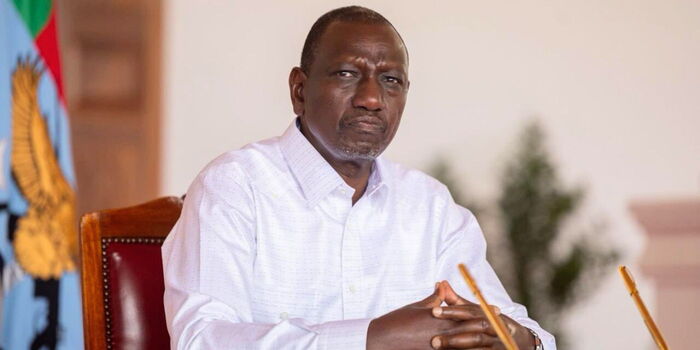
President Ruto had announced on Thursday, November 13, that all JSS interns would be placed on permanent and pensionable terms after completing two years of service.
He insisted the decision was final and meant to strengthen the quality of education in the country. “We decided that the JSS interns would be hired on a permanent and pensionable basis after two years of service; no negotiation,” the President declared.
However, JSS teachers say this directive goes against the agreements they signed. According to them, the internship contract clearly indicated that the program would run for only one year, from January 6 to December 1, and would not be renewed.
One of the interns expressed frustration, saying, “The contract we signed last year stated that the internship was a one-off, non-renewable program for 12 months.”
Because of this mismatch, the teachers are accusing TSC of shifting positions and failing to follow its own guidelines for promotions.
They argue that at least 20,000 JSS teachers should already have been confirmed to permanent and pensionable terms. Many feel betrayed, saying they endured poor working conditions with the hope that their service would be recognized.
Supported by the Kenya Union of Post Primary Education Teachers (KUPPET), JSS teachers are now demanding immediate confirmation.
They want their terms upgraded so they can earn a better salary, instead of the current Ksh17,000 stipend that many say is too low for the workload they are handling.
Growing Demands for Autonomy
Beyond the employment dispute, JSS teachers are also renewing their push for full autonomy under the new education system.
They argue that being managed under primary schools has brought confusion in co-curricular activities, administration, and overall school operations.
According to KUPPET officials, the delayed confirmation and lack of independence have only deepened the challenges in the education sector.
KUPPET Tharaka Nithi Secretary Patrick Gitonga criticized the current structure, saying that JSS teachers are not properly represented. “We want JSS teachers to be given autonomy so they can represent themselves; relying on other jurisdictions is affecting how they carry out their duties,” he said.
With less than seven weeks before the new academic year begins, unrest among JSS teachers is spreading across multiple counties, not just Meru and Tharaka Nithi.
Reports indicate that interns in other regions are also frustrated and share the same concerns about broken promises and unclear policies.
This is not the first time dissatisfaction among JSS teachers has threatened stability in the education sector. In 2024, a major strike forced the Budget and Appropriation Committee to instruct TSC to confirm all JSS interns using funds provided in the 2024–2025 financial year. Despite those commitments, teachers say little has changed.
As tensions continue to rise, the education sector risks facing a major disruption just months before schools reopen, unless the government, TSC, and JSS teachers find a clear and agreeable way forward.
Join Government Official WhatsApp Channel To Stay Updated On time
https://whatsapp.com/channel/0029VaWT5gSGufImU8R0DO30
