


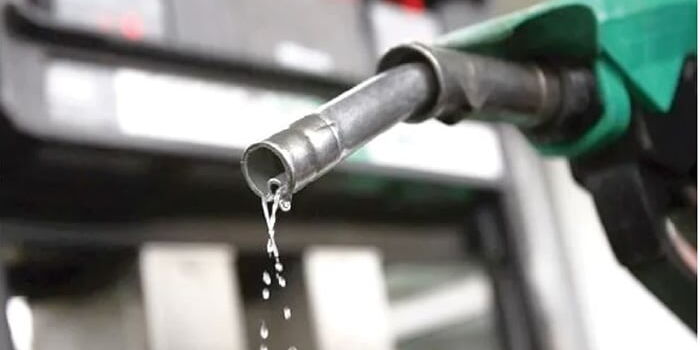
Petrol Station Owners Warn of Possible Fuel Shortage, Urge Government to Act
Fuel station owners in Kenya have raised serious concerns about a possible fuel shortage in the country, calling on the government to take immediate action to avoid a crisis.
The warning comes at a time when global oil supply chains are facing disruptions due to rising tensions in the Middle East.
Through the Petroleum Outlets Association of Kenya (POAK), independent fuel retailers are now asking the government to allow them to import fuel directly from private suppliers.
They argue that the current system, where fuel is sourced through government-to-government agreements, is no longer reliable given the current global situation.
The association’s chairman, Martin Chomba, explained that the situation on the ground is already worrying.
Speaking in a recent interview, he revealed that a noticeable number of fuel stations across the country have started experiencing supply shortages. According to him, about 20 per cent of Kenya’s estimated 3,100 fuel outlets are already affected.
Chomba warned that if the situation is not addressed quickly, it could worsen in a very short time. He noted that if the tensions in the Middle East continue, the country could face a severe fuel shortage within the next two weeks.
This, he said, could easily escalate into a nationwide crisis affecting transport, businesses, and daily life.
The current problem has largely been triggered by ongoing conflict involving Iran, which has disrupted global oil shipments.
A key concern is the instability around the Strait of Hormuz, a critical route through which a large portion of the world’s oil supply passes. Any disruption in this region directly affects countries like Kenya that rely heavily on imported fuel.
Kenya depends almost entirely on fuel imports, mainly from Middle Eastern countries under government-arranged supply deals. Retailers now say this heavy dependence has exposed the country to risks, especially during times of global political instability.
They believe allowing private importation could provide an alternative supply route and help stabilise the market.
At the same time, Chomba raised concerns about possible fuel hoarding by some dealers. He warned that as fears of price increases grow, some traders may choose to hold back fuel stocks in anticipation of making higher profits later.
This behaviour, he said, could worsen the shortage and even trigger panic buying among motorists.
Fuel retailers have also criticised the Energy and Petroleum Regulatory Authority (EPRA) for maintaining current fuel prices despite rising import costs.
According to the dealers, keeping pump prices unchanged is putting pressure on their businesses, making it difficult to sustain operations while costs continue to increase.
However, EPRA Director General, Daniel Kiptoo Bargoria, has moved to calm public fears. He assured Kenyans that the country still has enough fuel reserves and that the regulator will soon provide a detailed update to address the growing concerns.
Meanwhile, government officials and policymakers have also noticed unusual fuel demand patterns across the country. They believe that speculation and hoarding within the supply chain could be contributing to the current strain, further complicating the situation.
As the situation unfolds, all eyes are now on the government’s next move, with fuel retailers urging swift action to prevent the country from slipping into a full-blown fuel crisis.
Join Kenya Govt Official WhatsApp Channel to stay updated on time
https://whatsapp.com/channel/0029VaWT5gSGufImU8R0DO30
