


Fresh Details Emerge Over Multi-Billion Oil Deal Leading to Arrest of Top Energy Officials
New information has come to light regarding a controversial multi-billion-shilling oil importation deal that resulted in the high-profile arrests of several senior officials in Kenya’s energy sector.
On Friday morning, detectives from the Directorate of Criminal Investigations (DCI) carried out arrests of key figures, including the Energy and Petroleum Regulatory Authority (EPRA) Director General, Daniel Kiptoo, Kenya Pipeline Company Managing Director, Joe Sang, Petroleum Principal Secretary, Mohamed Liban, and Deputy Director of Petroleum, Joseph Wafula.
During the operation, investigators reportedly recovered more than Ksh100 million in cash from the homes of the four suspects, raising serious questions about the scale and nature of the alleged corruption.
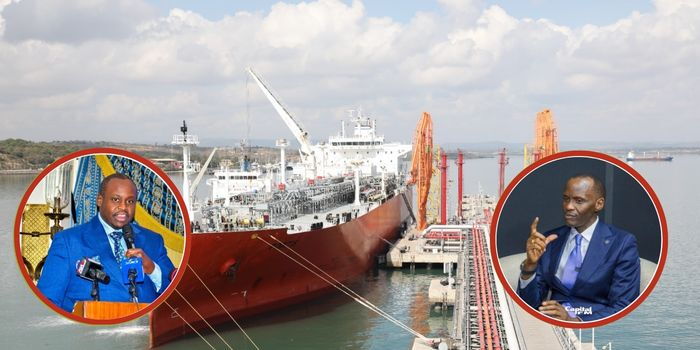
At the heart of the investigation is the suspicious diversion of a large fuel shipment that was originally destined for Angola but ended up at the Port of Mombasa under unclear and unexplained circumstances. The vessel, named MV Paloma, docked at Mombasa carrying over 60,000 metric tonnes of fuel.
Detectives suspect that this diversion bypassed Kenya’s official government-to-government oil importation procedures, potentially undermining regulatory oversight.
Sources indicate that the fuel was initially produced by Saudi Aramco, one of the world’s largest oil companies.
It was reportedly sold to another international energy firm before being redirected through a local Kenyan petroleum importer. This sequence of transactions has raised suspicions of irregularities in pricing and distribution.
Reports suggest that the MV Paloma consignment was offloaded at the Port of Mombasa between March 27 and March 29, 2026. Preliminary investigations now indicate that the shipment may have been significantly overpriced, with losses potentially exceeding Ksh4 billion.
Moreover, a second similar shipment is expected, which could push total taxpayer losses in the deal to nearly Ksh8 billion if the allegations are confirmed.
Investigators are exploring whether these fuel shipments were intentionally procured in a way that exploited the fuel shortages caused by sudden supply disruptions.
Earlier reports had noted complications involving a shipment from Emirates National Oil Company, which was delayed due to disruptions in the Strait of Hormuz, resulting in temporary fuel shortages in Kenya.
Detectives now believe such disruptions may have been used as justification for the irregular emergency import that bypassed standard procedures.
In addition to pricing concerns, the fuel consignment has also been flagged for quality issues. Reports indicate elevated sulphur levels that fail to meet Kenya’s regulatory standards.
The anomaly was reportedly first identified by a quality assurance manager at Kenya Pipeline Company, leading to internal disputes before the matter was escalated to the DCI for further investigation.
The arrested officials were interrogated for more than seven hours at DCI headquarters along Kiambu Road in Nairobi.
Authorities are now meticulously reviewing evidence and piecing together the full scope of the alleged scheme, which has drawn nationwide attention due to its potential impact on the country’s energy sector and public finances.
Join Kenya Govt Official WhatsApp Channel to stay updated on time
https://whatsapp.com/channel/0029VaWT5gSGufImU8R0DO30
