


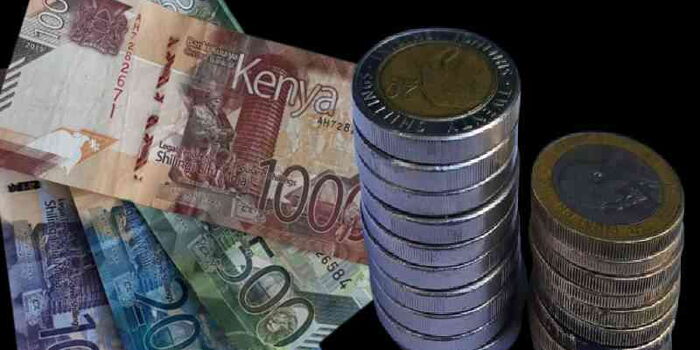
The Kenyan shilling weakened against the U.S. dollar on Wednesday, April 1, following a surge in demand for the foreign currency.
This comes after the local currency had enjoyed a strong 20-month winning streak, making this decline notable.
According to Bloomberg, the shilling was trading at Ksh130.0200 per U.S. dollar as of yesterday. The drop comes as importers increasingly sought dollars to pay for international trade, putting pressure on the local currency.
This marks the first time the shilling has reached the 130 level since August 2024. The steady depreciation is partly linked to the ongoing conflict in the Middle East, which has affected global currency markets and increased uncertainty in international trade.
Traders explain that while the shilling remained fairly stable during the first month of the Iran war, it has recently faced downward pressure.
The surge in demand for U.S. dollars from importers and manufacturers, who fear a shortage due to the conflict, has contributed significantly to the weakening.
The high demand for the dollar has driven the exchange rate upward, leading to a drop in the value of the Kenyan shilling.
Analysts had earlier warned that if the U.S.-Iran conflict continued into April, the shilling might begin to lose ground, a prediction that now appears to be unfolding.
The Middle East war, which erupted in late February, has triggered economic stress across several countries, including Kenya. Its effects are being felt in currency markets, where uncertainty has increased the pressure on smaller, import-reliant economies.
Before this decline, the shilling had enjoyed months of stability, particularly in the first half of 2024, supported by steady dollar inflows from government bond sales.
This stability had earned the shilling recognition as one of the strongest and most reliable currencies in Africa.
Just last month, Bloomberg ranked the Kenyan shilling as the most stable currency in Africa and fifth globally.
The report highlighted that, as of March 2025, the shilling experienced only a 1.5% volatility rate over the past year. This performance placed it among the world’s least volatile currencies, outperforming even major international currencies.
Despite the recent setback, the shilling’s long-term performance has been impressive, reflecting resilience in a challenging global economic environment. However, ongoing geopolitical tensions and rising demand for the U.S. dollar may continue to test the currency’s strength in the coming months.
Join Kenya Govt Official WhatsApp Channel to stay updated on time
https://whatsapp.com/channel/0029VaWT5gSGufImU8R0DO30
