


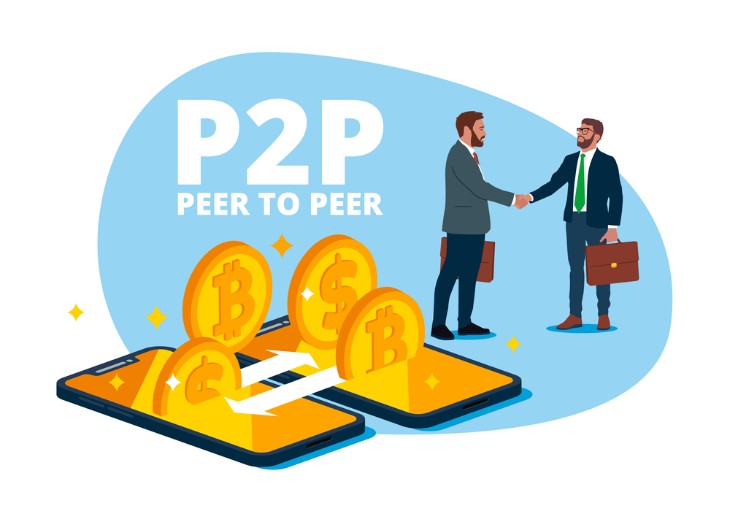
Peer-to-peer (P2P) crypto lending platforms are digital marketplaces that connect cryptocurrency holders who want to lend their assets with borrowers looking to access crypto funds.
Unlike traditional banks or centralized lending services, P2P platforms remove the need for intermediaries, allowing users to directly negotiate terms and interest rates.
This decentralized approach has grown in popularity as the cryptocurrency market expands and investors seek new ways to earn passive income.
How Peer-to-Peer Crypto Lending Works
P2P crypto lending platforms operate by matching lenders with borrowers. The process generally involves the following steps:
- Registration: Both lenders and borrowers create accounts on the platform.
- Listing or Requesting Loans: Borrowers post loan requests, specifying the amount, desired interest rate, and repayment period. Lenders can review these requests and choose which ones to fund.
- Collateral: Many P2P platforms require borrowers to provide collateral, often in the form of cryptocurrency, to protect lenders in case of default.
- Loan Agreement: Once the loan is funded, a smart contract or platform agreement defines the terms, including repayment schedule and interest.
- Repayment: Borrowers repay the loan with interest. Lenders receive the principal plus earned interest, usually through the platform’s secure system.
Advantages of P2P Crypto Lending
- Higher Interest Rates: Lenders often earn higher returns than traditional savings accounts or bank deposits.
- Direct Interaction: Users deal directly with each other, reducing fees and dependence on centralized institutions.
- Access to Funds: Borrowers who may not qualify for bank loans can access crypto-backed loans quickly.
- Transparency: Smart contracts automate terms and repayments, increasing trust and minimizing disputes.
Risks and Challenges
- Default Risk: Borrowers may fail to repay loans, especially if collateral is insufficient or volatile.
- Platform Risk: If the platform is hacked or poorly managed, both lenders and borrowers may lose funds.
- Market Volatility: Crypto values fluctuate significantly, which can affect collateral value and loan stability.
- Regulatory Uncertainty: Some regions have unclear or evolving rules on crypto lending, creating legal risks.
Popular P2P Crypto Lending Platforms
Some well-known P2P crypto lending platforms include:
- Aave – A decentralized platform offering crypto lending and borrowing with smart contract automation.
- BlockFi – Provides interest-earning accounts and crypto-backed loans.
- Celsius Network – Known for competitive interest rates for lenders and flexible loans for borrowers.
- Nexo – Offers instant crypto-backed loans and interest-earning accounts.
Tips for Using P2P Crypto Lending Platforms
- Research the Platform: Check security measures, user reviews, and past performance.
- Diversify Loans: Spread your lending across multiple borrowers to reduce risk.
- Understand Collateral Rules: Ensure collateral can cover potential losses if the borrower defaults.
- Stay Updated on Regulations: Be aware of your local laws on cryptocurrency lending.
Peer-to-peer crypto lending platforms offer a promising way for cryptocurrency holders to earn passive income while providing liquidity to borrowers. However, careful consideration of risks and platform reliability is essential for a safe and profitable experience.
Join TUKO KADI Official WhatsApp Channel to stay updated on time
https://whatsapp.com/channel/0029VaWT5gSGufImU8R0DO30
