


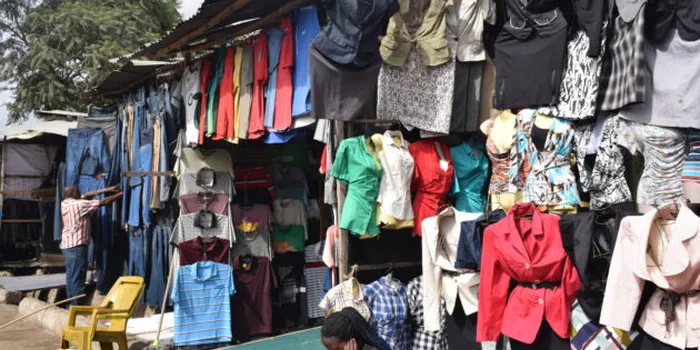
Experts Warn of Possible Health Risks Linked to Mitumba Clothes in Kenya
Health experts and researchers are raising concerns about the possible health risks associated with Kenya’s growing mitumba trade, warning that second-hand clothes may carry harmful microorganisms if they are not properly inspected, handled and treated before being sold to consumers.
Mitumba clothing has become an important part of everyday life in Kenya, with millions of people depending on second-hand garments because they are cheaper and often more affordable than newly manufactured clothes.
The trade also supports thousands of traders, transporters, wholesalers, market workers and other businesses across the country.
However, experts say the rapid growth of the second-hand clothing industry has also created questions about hygiene, public health and the management of textile waste.
Researchers have warned that used clothing can sometimes harbour bacteria, including Escherichia coli (E. coli) and Klebsiella. These microorganisms can be associated with a number of illnesses, including diarrhoea, urinary tract infections and pneumonia. In serious cases, certain bacterial infections can spread through the body and lead to sepsis.
According to research cited by Mongabay, the presence of microorganisms on used textiles highlights the importance of proper inspection and handling of second-hand clothes before they are placed on the market.
The concerns are not limited to clothing sold in Kenya. Researchers have also questioned the increasing movement of used garments from wealthier countries to African markets.
In a recent letter published in Science, researchers raised concerns about the large quantities of used clothing being shipped to African countries every year.
They argued that some garments exported as reusable clothing may eventually become waste because they are damaged, poor quality or no longer suitable for use.
More than 4.5 billion used garments are reportedly shipped to Africa every year. While a significant portion is resold and reused, researchers warn that a considerable amount can eventually end up in dumpsites or be burned when local waste-management systems are unable to handle the growing volumes.
This has created another challenge for countries such as Kenya, where textile waste is becoming an increasingly serious environmental issue.
Apart from bacteria, researchers have also raised concerns about other substances associated with discarded textiles. Studies have linked textile waste to pathogenic microorganisms, antimicrobial-resistant genes and microplastics, particularly as synthetic fabrics break down over time.
The environmental impact can become more serious when unwanted clothes are dumped or burned. Synthetic materials may take a long time to break down, while the deterioration of some fabrics can release tiny plastic particles into the environment.
In Nairobi, the growing amount of textile waste has already become a concern for waste-management authorities and environmental experts.
A 2023 report estimated that Nairobi’s largest dumpsite receives approximately 86 tonnes of textile waste every day. Some of this waste can remain in the environment for long periods, while other materials may be burned, potentially contributing to air pollution and other environmental problems.
Despite the concerns, experts are not calling for an outright ban on mitumba clothing.
Instead, they believe the government should strengthen inspection systems and introduce better controls to ensure that potentially contaminated or unsuitable garments do not enter the Kenyan market.
Ebenezer Amadi, a senior programme manager at Bopinc, said it was important for authorities to take the possible risks seriously, particularly the possibility of bacterial contamination.
“It is critical to consider the potential risks, including bacterial contamination,” Amadi said.
He noted that some of these risks could be managed through stronger inspection procedures and appropriate controls at points of entry.
This would allow authorities to identify clothing that may pose health or safety concerns before it reaches traders and consumers.
The debate comes at a time when the Kenyan government has repeatedly indicated that it does not intend to ban the importation of mitumba clothes.
President William Ruto said in January that his administration would not ban second-hand clothing imports, noting that millions of Kenyans depend on the sector for affordable clothes and income.
The mitumba industry has also become an important source of employment for many households, particularly small-scale traders who sell clothes in markets, shops and roadside businesses across the country.
The size of Kenya’s second-hand clothing market demonstrates why any new regulations would need to balance public health and environmental concerns with the economic importance of the sector.
Kenya imported more than 53,000 tonnes of second-hand clothing worth approximately Ksh6.5 billion during the first quarter of 2025 alone.
The figures demonstrate the enormous scale of the industry and the large number of garments entering the country every year.
Experts therefore believe that rather than eliminating the trade, Kenya could focus on improving how second-hand clothing is inspected, transported, sold and eventually disposed of.
Stronger controls at ports and other entry points could help prevent potentially contaminated garments from reaching consumers. At the same time, better waste-management systems could help reduce the amount of unwanted clothing ending up in dumpsites or being burned.
Consumers can also play a role by taking basic hygiene precautions when buying second-hand clothes. Washing and, where appropriate, thoroughly cleaning new purchases before wearing them can help reduce potential contaminants that may be present on the fabric.
The debate over mitumba is therefore likely to continue as Kenya tries to balance the benefits of affordable clothing and employment with growing concerns about public health, environmental pollution and textile waste.
For now, experts say the focus should be on stronger regulation, proper inspection and responsible waste management rather than an outright ban on second-hand clothing.
Join WANTAM Official WhatsApp Channel to stay updated on time
https://whatsapp.com/channel/0029VaWT5gSGufImU8R0DO30
