


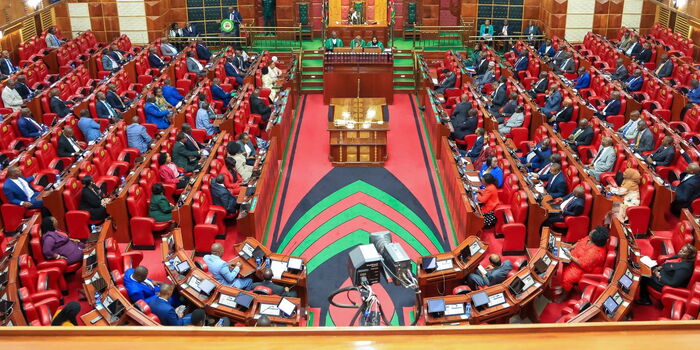
Senate Raises Alarm After Treasury Freezes Meru County Funds, Warning of Salary and Service Disruptions
The Senate Standing Committee on Finance and Budget has stepped in after the National Treasury moved to suspend the transfer of funds to Meru County.
The decision has triggered serious concern among lawmakers, who fear it could lead to delays in paying workers’ salaries and disrupt the delivery of essential public services within the county.
Senators noted that if the situation continues, key services such as healthcare, water supply, and other day-to-day county operations could be heavily affected.
They warned that the freeze may also create a serious cash flow problem, making it difficult for the county government to meet its financial obligations, especially salary payments for staff.
Because of the growing concern, the Senate committee has announced plans to carry out a full and detailed investigation before presenting its final findings to Parliament.
As part of this process, several key officials have been summoned to appear before the committee. These include the National Treasury Cabinet Secretary John Mbadi, Meru County Governor Isaac Mutuma, the Controller of Budget, and the Auditor General.
According to the committee chairperson, Mandera Senator Ali Roba, it is important that all the relevant institutions provide their input so that Parliament can fully understand the situation before making a decision.
He emphasized that the inquiry will involve hearing from all sides, including both national and county-level authorities.
The dispute began after the National Treasury stopped up to 50 percent of Meru County’s equitable share of funds, a decision that took effect on April 10.
The Treasury based its action on Article 225 of the Constitution, which allows intervention when a county is found to be in persistent and serious breach of financial obligations.
In this case, the breach is linked to the county’s failure to settle a court-awarded debt owed to a foreign investor.
The original debt was valued at about Ksh339 million, but due to an annual interest rate of 14 percent, the amount has grown significantly over time.
It has now reached levels that officials say are extremely difficult to manage, and it is reportedly almost comparable to the county’s total pending bills.
While lawmakers acknowledged that counties must respect court orders and honour legitimate debts, many senators questioned whether freezing such a large portion of county funds was a fair or proportional response.
Some argued that the move may be too extreme and could end up punishing ordinary residents who depend on county services.
There are also growing concerns about the wider implications of the decision. Senators warned that the action taken against Meru County could set a strong precedent for the other 46 counties in Kenya.
They cautioned that it might encourage investors or creditors to push for similar financial interventions, which could potentially disrupt the operations of devolved governments across the country.
The committee further noted that the Treasury’s decision is temporary and is expected to lapse on May 10 unless it is approved by both Houses of Parliament.
If Parliament does not endorse the action within the required 30 days, the decision will automatically be considered invalid, and any withheld funds would have to be released back to the county government.
As explained by Mombasa Senator Mohamed Faki, if parliamentary approval is not granted within the legal timeframe, the freeze will be treated as though it never happened, and Meru County would be entitled to receive its withheld funds without further delay.
The coming weeks are expected to be crucial as Parliament reviews the matter, with potential consequences not only for Meru County but also for how financial disputes between national and county governments are handled in the future.
Join TUKO KADI Official WhatsApp Channel to stay updated on time
https://whatsapp.com/channel/0029VaWT5gSGufImU8R0DO30
