


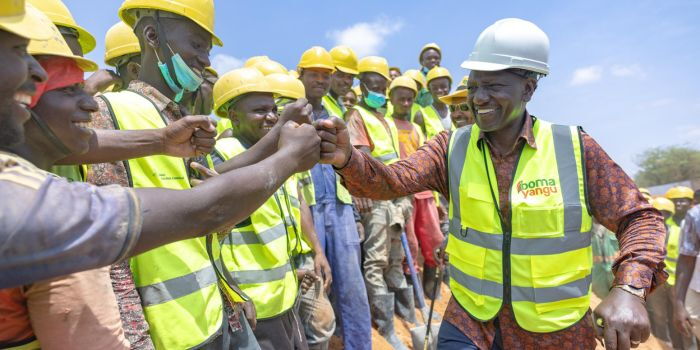
Details of the Government’s Rural Affordable Housing Loan of Up to Ksh 4 Million and How Kenyans Can Qualify
Kenyans who prefer building a home in the village instead of buying a house in town can now benefit from a government-backed affordable housing loan of up to Ksh 4 million.
This is one of the lesser-known opportunities created under Kenya’s housing law, and it gives eligible citizens a chance to use the Affordable Housing Fund to construct decent homes on their own rural land.
This provision is contained in the Affordable Housing Act, Cap 117A, which recognises rural affordable housing units as one of the official categories under the housing programme.
The law groups affordable housing into four main classes: social housing units, affordable housing units, affordable middle-class housing units, and rural affordable housing units.
This means the programme is not only meant for apartment blocks and modern estates in urban centres, as many people have often believed.
A large number of Kenyans have long assumed that the affordable housing programme only focuses on ready-made apartments in towns and cities.
However, the law also allows individuals to access funds to build homes on ancestral land, inherited land, or any privately owned rural property registered in their names. This gives people living in villages and remote areas an equal chance to enjoy the benefits of the housing levy contributions.
The framework became fully operational after the National Assembly approved the Affordable Housing Regulations in August 2025. This approval gave contributors a clear legal path to apply for up to Ksh 4 million to put up homes on land they already own.
The move was largely influenced by feedback from Kenyans who wanted the housing levy to support development in rural areas instead of being restricted to government-built urban projects.
Who Qualifies for the Rural Affordable Housing Loan?
To qualify for the rural housing loan, an applicant must first be a Kenyan citizen who is at least 18 years old. In addition, the person must not have previously received or been allocated any other unit under the Affordable Housing Programme.
The applicant must also meet all the conditions laid out in the Act and satisfy the board that they are eligible for financing.
This requirement is meant to ensure fairness so that the benefits reach more deserving Kenyans, especially first-time homeowners who already have land in rural areas but lack enough capital to build.
Main Requirements for Accessing the Ksh 4 Million Fund
One of the first steps is registration on the Boma Yangu platform, which can be done through the *USSD code 832# or via the official online portal. This registration is important because it officially places the applicant within the government’s housing database.
Applicants are also encouraged to maintain an active voluntary savings account with the Housing Fund. Consistent savings can strengthen one’s profile and improve the chances of being approved, as it demonstrates financial discipline and commitment.
Another major requirement is proof of land ownership. The applicant must submit a valid title deed in their own name, together with an official land search certificate to confirm the ownership details and ensure the property has no disputes.
The law also requires several technical and legal documents before approval. These include a development permit from the relevant County Executive Committee Member in charge of Lands, as well as a priced Bill of Quantities (BQ) prepared by a registered quantity surveyor.
The BQ helps the board estimate the actual cost of construction and determine whether the requested loan amount is reasonable.
Beyond this, the board will assess the applicant’s ability to repay the loan. This means your income, financial commitments, and general repayment capacity will be reviewed before a final decision is made.
Another mandatory condition is life insurance coverage linked to the loan. This insurance acts as protection for the borrower and their family. In the unfortunate event of death, the insurer takes over the remaining repayments so the family is not burdened with debt.
Additional documents required include:
- A copy of the title deed registered in the applicant’s name
- An official land search certificate
- A signed declaration confirming the property has no existing loan or charge
- Proof of the required deposit as prescribed by the Cabinet Secretary
- National ID and other personal identification documents
How Long the Approval Process Takes
After all documents are submitted and the application is successfully lodged, the law states that the funds should be allocated within 90 days. This gives applicants a clear timeline and helps them plan for construction in advance.
Once approved, the applicant must immediately ensure that the insurance policy tied to the facility is active. This step is not optional because it is part of the legal protection built into the loan structure.
Important Restriction After Receiving the Loan
One notable clause in the law is that beneficiaries are not allowed to sell, transfer, or otherwise dispose of the house before fully clearing the loan.
This restriction is meant to prevent misuse of public-backed housing funds and ensure the programme remains focused on home ownership rather than speculation.
In cases where a borrower later faces financial difficulties, the law offers some relief. Instead of immediately defaulting, the beneficiary can petition the housing board for consideration.
The board may allow the person to downgrade to a smaller and more affordable housing option, which helps reduce the repayment burden.
Interest Rates Based on Monthly Income
The loan’s interest rate is determined by the applicant’s monthly earnings, making it more affordable for lower-income households.
- Those earning below Ksh 20,000 per month qualify for an interest rate of 3 percent
- Individuals earning up to Ksh 149,000 monthly pay 6 percent
- Those earning above Ksh 149,000 are charged 9 percent
This income-based pricing structure is designed to make the programme inclusive and supportive of ordinary Kenyans across different income levels.
A Major Opportunity for Rural Homeowners
This clarification highlights a part of the housing law that has not received much public attention, yet it could transform the lives of thousands of Kenyans who own land in rural areas.
Many people had assumed the Affordable Housing Programme was only for city apartments and government estates, but this rural loan option now opens the door for families to build permanent homes in their villages using support from the same housing levy they contribute to every month.
For many Kenyans with idle rural land, this could be the opportunity they have been waiting for to finally build a quality family home without relying entirely on expensive bank loans or years of personal savings.
Join Kenya Govt Official WhatsApp Channel to stay updated on time
https://whatsapp.com/channel/0029VaWT5gSGufImU8R0DO30
