


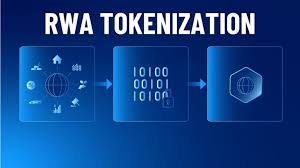
The traditional lending system, often burdened by bureaucracy and limited accessibility, is now being reshaped by the rise of Decentralized Finance (DeFi). At the core of this transformation is Real-World Asset (RWA) tokenization—a breakthrough that’s opening up new opportunities for both borrowers and lenders across the globe.
This article explores how RWA tokenization is revolutionizing the lending ecosystem and paving the way for a more accessible, efficient, and inclusive financial system.
Understanding RWA Tokenization: Turning Real Assets into Digital Tokens
RWA tokenization is the process of converting tangible assets—such as real estate, invoices, luxury goods, or even intellectual property—into digital tokens that live on a blockchain. These tokens represent fractional ownership of the underlying assets and can be easily transferred, traded, or used as collateral within decentralized finance platforms.
Imagine you own a piece of property or a valuable invoice. With RWA tokenization, that physical asset can be transformed into a digital token and traded just like cryptocurrencies. Each token holds verifiable data on ownership and value, enabling a more transparent and liquid market for traditionally illiquid assets.
Why RWA Tokenization is a Game Changer for DeFi Loans
RWA tokenization is unlocking powerful new capabilities for decentralized lending. Here’s how it’s changing the game:
1. Broadening the Collateral Base Beyond Credit Scores
In traditional lending, eligibility often depends on credit history, employment status, or income level. This excludes many individuals and small businesses, particularly in developing regions.
With tokenized RWAs, borrowers can secure loans by using tokenized assets like real estate, invoices, or patents as collateral—without the need for a strong credit score. This creates a more inclusive system, giving financial access to people who have valuable assets but lack traditional documentation or creditworthiness.
2. Improving Asset Liquidity for Faster Loan Access
Real-world assets are typically illiquid, meaning they can’t be quickly converted into cash. RWA tokenization solves this by fractionalizing assets into tradable tokens. These tokens can be quickly sold or used as loan collateral on DeFi platforms, offering immediate liquidity.
For example, a small business owner needing urgent funds can tokenize an unpaid invoice and use it as collateral to obtain a loan. This drastically reduces the time and effort needed to access working capital, especially during financial crunches.
3. Automating Loan Processes with Smart Contracts
Traditional loan applications involve piles of paperwork, human verification, and weeks of processing time. In contrast, DeFi lending powered by RWA tokenization relies on smart contracts—programmed rules on the blockchain that automatically execute loan agreements, disbursal, and repayments.
This automation speeds up the entire lending process. A borrower can secure a loan within minutes, as smart contracts handle verification, collateral locking, and repayment schedules without human intervention.
4. Enhancing Transparency and Security in Lending
Blockchain’s transparent and immutable nature ensures every transaction and asset ownership is verifiable and tamper-proof. This gives both borrowers and lenders confidence in the legitimacy of tokenized assets used as loan collateral.
Lenders can easily verify the history and value of a tokenized asset before approving a loan, significantly reducing the risk of fraud. Borrowers also benefit from clear, upfront visibility into loan terms, interest rates, and repayment timelines.
5. Diversified Investment Opportunities for Lenders
Decentralized lending platforms open up a range of new investment options for lenders. Instead of relying solely on traditional fixed-income products like government bonds, lenders can invest in loans backed by real-world assets—such as real estate, invoices, and even intellectual property.
This creates opportunities for better portfolio diversification and potentially higher yields. For instance, a lender might invest in tokenized real estate loans across multiple countries or finance a series of invoices from vetted businesses.
6. Enabling Fractional Ownership and Micro-Investing
One of the key benefits of RWA tokenization is fractional ownership. Investors can buy small fractions of expensive assets, allowing more people to enter investment markets with limited capital.
Imagine a young investor with $100 who wants to invest in real estate. Through DeFi, they can buy a fraction of a tokenized property and begin earning rental yields or appreciation, something that would have been impossible in traditional markets.
7. Reducing Transaction Costs
By removing intermediaries like banks, brokers, and underwriters, DeFi platforms powered by blockchain can drastically reduce fees. Borrowers pay lower interest rates, while lenders enjoy higher returns.
The decentralized nature of the system also eliminates hidden charges, resulting in a more transparent and cost-efficient lending ecosystem for all participants.
8. Global Accessibility and Borderless Lending
DeFi lending platforms operate globally, allowing borrowers and lenders to connect regardless of geographic location. A farmer in Kenya can tokenize farmland and access funding from an investor in Germany, all without going through a bank or credit bureau.
This global reach not only expands financial inclusion but also provides investors access to emerging markets, previously inaccessible through traditional finance.
Challenges Facing RWA Tokenization in DeFi Lending (And Their Solutions)
While the benefits are substantial, there are still obstacles that DeFi projects must overcome to fully unlock the potential of RWA tokenization.
1. Regulatory Uncertainty
One of the biggest hurdles is the lack of clear regulations surrounding tokenized assets and decentralized lending.
Solution:
Governments and financial institutions must work together to develop clear regulatory frameworks that support innovation while protecting investors. Countries like Switzerland, the U.S., and the UK are already drafting crypto and DeFi-focused legislation, providing hope for broader regulatory clarity.
2. Accurate Valuation and Risk Management
Assessing the value and risks of tokenized assets is complex. Traditional valuation models often fall short in the digital realm.
Solution:
DeFi platforms must develop advanced algorithms and trusted oracles that provide accurate, real-time asset valuations and risk metrics. Several platforms are already creating specialized systems to evaluate tokenized RWAs using data-driven insights.
3. Liquidity Risks in RWA Markets
Some tokenized assets, like invoices from lesser-known companies, may struggle with low demand or slow trading volumes.
Solution:
To address this, DeFi platforms are introducing liquidity pools, market-maker incentives, and secondary marketplaces for RWA tokens. These systems encourage trading activity and ensure token holders can buy or sell easily, even during volatile market conditions.
What’s Ahead: The Future of Decentralized Lending with RWA Tokenization
As RWA tokenization becomes more widespread, the future of decentralized lending looks increasingly promising. Here’s what to expect:
- Traditional Banks Embracing DeFi: Financial institutions may incorporate DeFi tools into their existing systems, creating a hybrid model where centralized and decentralized finance work together.
- Innovative Lending Products: Expect to see a wide variety of new DeFi lending products tailored to different asset classes, risk profiles, and borrower needs.
- User-Friendly Platforms: As competition increases, platforms will improve their user interfaces and educational content to attract non-technical users and mainstream audiences.
- Widespread Adoption with Regulatory Support: As governments introduce supportive policies, institutional investors and businesses will become more confident in adopting RWA-backed DeFi loans.
Final Thoughts
RWA tokenization represents a major breakthrough in the evolution of decentralized finance. By bridging real-world value with the digital world, it unlocks a host of new lending opportunities that are fast, inclusive, transparent, and globally accessible.
Whether you’re a borrower looking for quick access to funds or a lender seeking diversified, high-yield opportunities, RWA tokenization is transforming the way lending works.
As the technology evolves and regulatory clarity improves, we’re heading toward a financial future that is fairer, faster, and more accessible for everyone.
Join Gen Z & Millennials New WhatsApp Channel To Stay Updated On time
https://whatsapp.com/channel/0029VaWT5gSGufImU8R0DO30
