


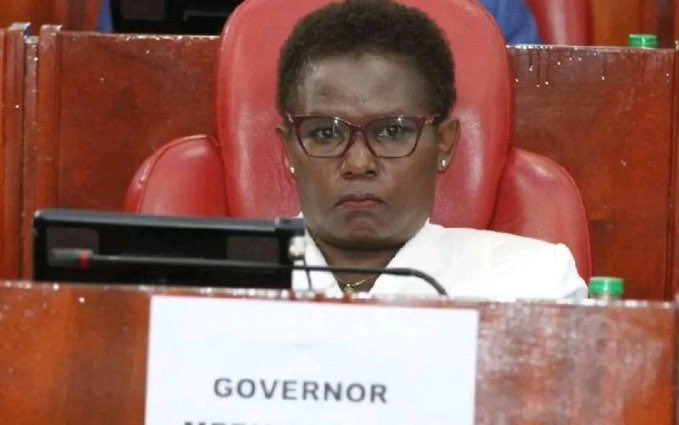
The Fall of a Governor: Inside Kawira Mwangaza’s Impeachment
Meru Governor Kawira Mwangaza’s rise to power was as remarkable as her recent fall from grace. Elected as an independent candidate in 2022, she was celebrated as a breath of fresh air in a political landscape often dominated by party loyalties. Her promise to bring a new style of leadership resonated with the people of Meru, who entrusted her with the county’s top job. However, just two years into her tenure, her administration has crumbled under the weight of accusations, leading to her impeachment by the Meru County Assembly.
At the heart of the impeachment were allegations of abuse of office. Critics accused Governor Mwangaza of allowing her husband to wield undue influence over county affairs, blurring the lines between public service and personal interests. This charge was particularly damaging, as it struck at the core of her promise to lead a transparent and accountable government. The County Assembly argued that this interference not only undermined the operations of the county but also eroded public trust in her leadership.
The accusations did not stop there. Mwangaza faced charges of nepotism, with claims that she appointed relatives to key positions within the county administration without following proper procedures. These actions were seen as a betrayal of the very principles of fairness and meritocracy that she had pledged to uphold. For many, these appointments were a stark reminder of the cronyism that had plagued Kenyan politics for years, and they felt let down by a leader who had promised change.
Additionally, Governor Mwangaza was accused of violating constitutional and legal procedures, particularly in the management of public resources. Allegations surfaced that she bypassed procurement regulations, raising concerns about the integrity of her administration. This, coupled with accusations of gross misconduct—such as disrespecting the County Assembly and disregarding its oversight role—painted a picture of a leader who had lost touch with the principles of good governance.
The impeachment vote in the County Assembly was decisive, reflecting the deep-seated frustrations among the members. For many, this was not just about removing a governor from office but about sending a message that leaders must be held accountable for their actions, regardless of their initial popularity or the promises they made.
However, the story is not over yet. The Senate now has the task of reviewing the impeachment. If the Senate upholds the decision, Mwangaza will be removed from office, making her the first governor in Meru’s history to be impeached. If the Senate overturns it, she may continue as governor, but with her reputation deeply tarnished.
As Meru County waits for the Senate’s verdict, the events surrounding Governor Mwangaza’s impeachment serve as a potent reminder of the challenges and responsibilities that come with leadership. It is a cautionary tale for other leaders who may be tempted to stray from the path of integrity, highlighting that in the end, accountability must prevail.
